How to choose a phone case

Picking a phone case is somehow both simple and annoying. There are 40 of them on the peg hook and they all look fine until one of them fails. Slim, rugged, wallet, clear, folio - each trades something. Knowing what to trade makes the choice less arbitrary.
The goal is matching the case to how you actually use your phone, not the scariest drop-test number on the box.
Start with how you use your phone
A desk worker who sets their phone down on a padded surface has genuinely different needs from someone on a job site or chasing kids at a park. Before you look at any case: what are you actually protecting against?
If your phone rarely leaves your desk and a drop is a once-a-year accident, a slim or clear case covers the basics. Scratches, scuffs, a bit of padding. You do not need reinforced corners and a thick rubber shell.
If you work outside, handle tools or gear that could slam into your phone, or you just drop things, you want real protection. Reinforced corners, a screen lip so the display does not contact the ground on a face-down fall, and some flex in the material to absorb the hit.
If you are somewhere in between - phone goes from home to office, drops happen a few times a year onto carpet or hardwood - a mid-range case with a raised lip is probably right. Match the case to the real risk in your day, not the worst-case scenario from a manufacturer's ad.
The main case types
Once you know roughly how much protection you need, the case categories make more sense.
| Type | Best for | Tradeoff |
|---|---|---|
| Slim / clear | Light everyday use, minimal bulk | Least drop protection |
| Rugged / tough | Frequent drops, job sites, kids | Bulky and heavier |
| Folio / wallet | Carrying a few cards with the phone | Adds thickness, flap in the way |
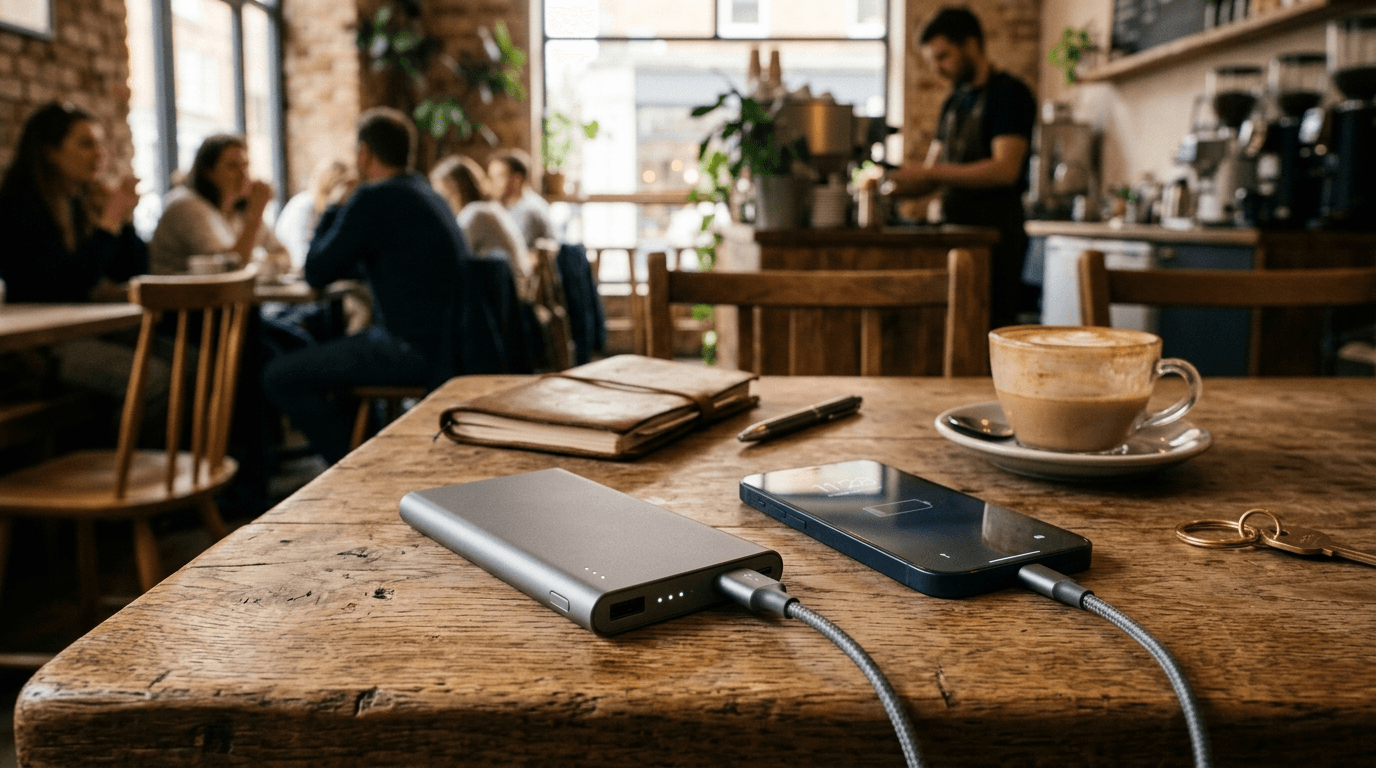
| Battery case | All-day power on a heavy-use phone | Bulkiest, extra weight |
Battery cases are their own category - a built-in battery that charges your phone as you use it. Bulkiest option by far. Worth it only if you regularly run dry before the day is over.
Protection: drop ratings and raised lips
Most drop-protection cases will have a MIL-STD-810G rating on the packaging. This is a US military test standard, and it shows up constantly in case marketing.
MIL-STD-810G describes a testing procedure, not a certification. There is no third party. Manufacturers self-test and self-report, which means two cases can both carry the label after being tested at different drop heights, on different surfaces. It is a signal that drop protection was at least considered, not a guarantee.
The things that actually matter are things you can see. Reinforced corners are the most important feature: phones almost always land on a corner, and thick, slightly flexible bumpers at each corner absorb and spread that impact before it gets to the glass. A raised lip around the screen, usually 1 to 2 mm, keeps the display off a flat surface on a face-down drop. Without it, the screen hits the surface directly. Some cases run that raised edge around the camera module too, which keeps the camera glass off the table. A case that combines hard polycarbonate on the back with a softer TPU rim gives you rigidity and impact absorption where it matters, better than either material on its own.
MagSafe and wireless charging
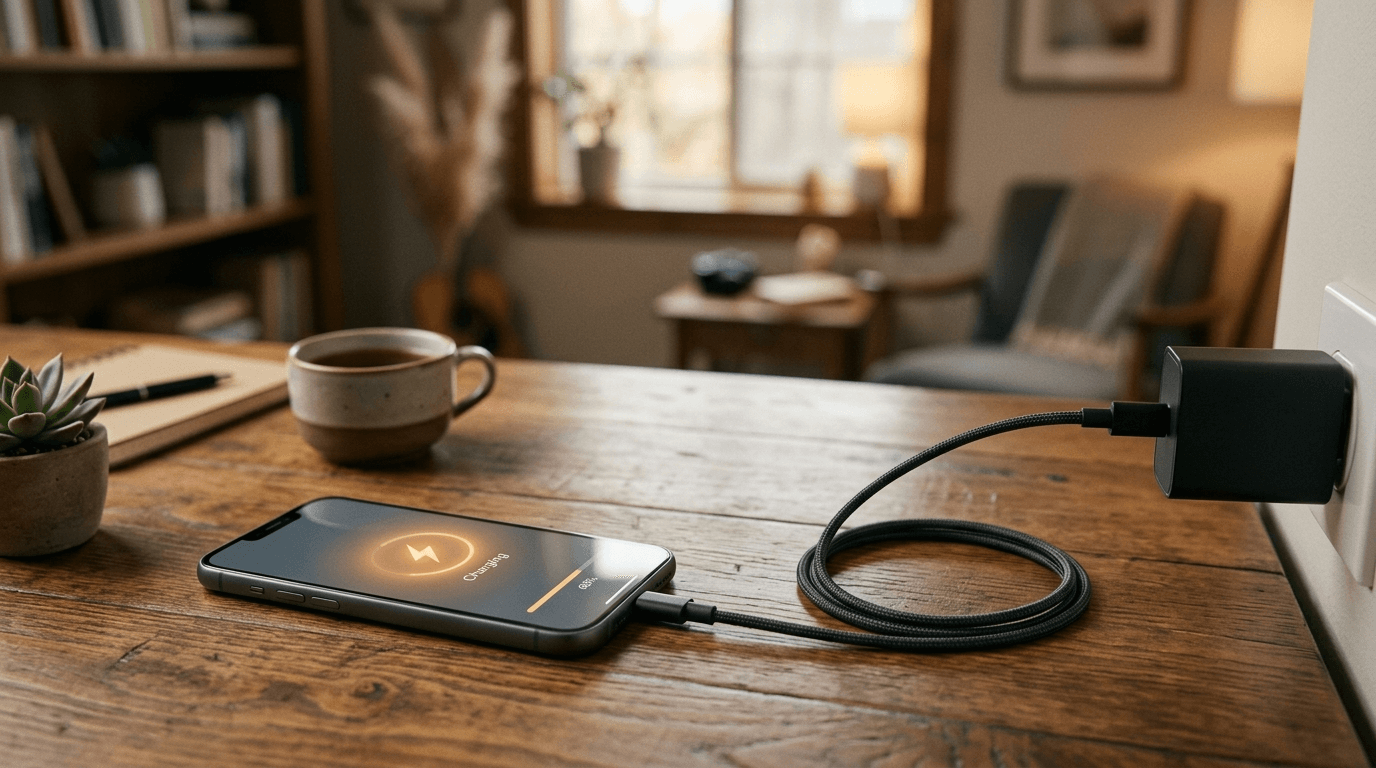
If you use MagSafe - a wallet, a car mount, a battery pack that snaps on - your case needs to support it. MagSafe cases have a built-in magnet ring that aligns with the charger. Without it, a regular case still physically attaches but snaps on less firmly and aligns less reliably. If you are mounting or swapping MagSafe accessories every day, get a case rated for it.
Wireless Qi charging is less picky. Most cases under about 3 mm pass the signal through without issue. Metal cases block wireless charging outright. Very thick or heavily reinforced cases can weaken the signal enough that charging slows or stops. If you want a thick rugged case and also charge wirelessly, check the product listing for compatibility before buying, do not assume.
Materials and everyday feel
Silicone grips well and feels soft, but lint finds it immediately. TPU (thermoplastic polyurethane) is what most budget and mid-range cases use - it flexes, grips reasonably, and handles drops better than hard plastic. The thing about cheap clear TPU: it yellows, usually within a year, as UV exposure and heat break down the material. It is not a brand defect, it is a material issue. If you want a clear case that stays clear, look for one that explicitly claims UV-resistant or anti-yellowing treatment, or just plan on replacing it. Hard polycarbonate does not yellow and stays slim but transfers impact more directly and is not the most grippy. Leather develops a patina and feels premium but adds bulk. Aramid fiber - often marketed as carbon fiber, though they are not the same thing - is light, rigid, and has a woven texture that looks distinctive.
Grip matters more than most people expect, because the surest way to survive a drop is to not drop the phone at all. A textured or slightly soft case stays in your hand better than a slick, glossy one, and a matte finish hides fingerprints along the way. If your bare phone feels slippery, the right case can cut down how often you fumble it in the first place, which does more for its lifespan than any drop rating on the box.
Fit and the details that matter
Buy a case for your exact model. Not "compatible with the whole series" but your specific phone. Dimensions vary enough between models that a loose fit gives you misaligned port cutouts, stiff buttons, and a camera ring that sits off-center.
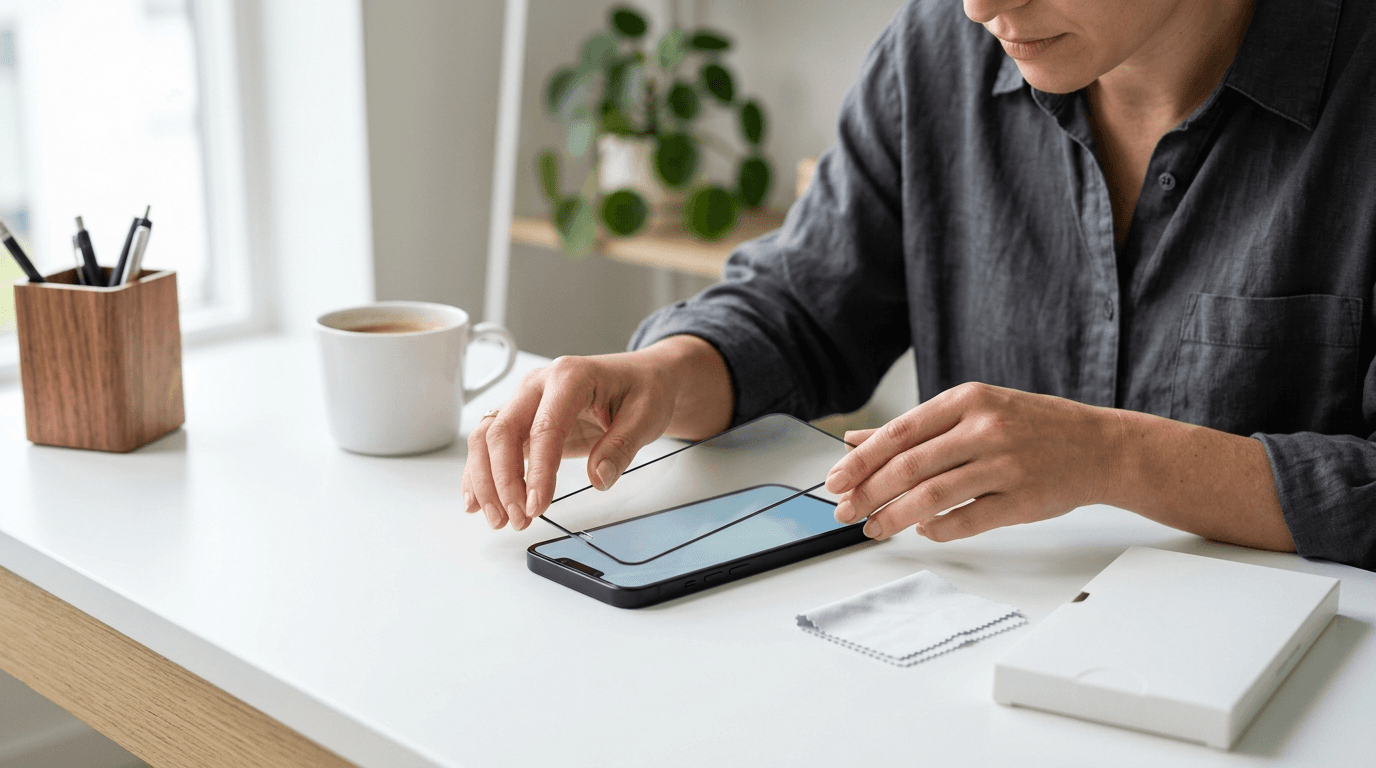
A few things worth confirming: some cases cover buttons with a membrane, others leave them open. Whether that feels right is personal, so press them in person if you can. Make sure the charging port, speakers, and any headphone jack are fully unobstructed. If you are pairing with a screen protector, check that they are compatible, since some tightly fitting cases peel up the edge of a screen protector that runs close to the glass.
A case plus a screen protector is the most complete setup you can run. The case handles the back, sides, and corner impacts. The screen protector handles face-down drops, keys, and daily surface wear. Different failure modes. Use both.
Frequently Asked Questions
Senior Staff Writer
Alex has covered telecom, smartphones, and business communications for eight years. Before DeltaThree, he tested gear for a carrier trade publication and ran the wireless desk at a consumer tech site. He pays his own phone bill.