The best wireless chargers in 2026

Apple MagSafe Charger
$39
Anker MagGo Wireless Charging Station
$80
Belkin BoostCharge Pro 3-in-1
$150
Wireless charging used to be slower, hotter, and less efficient than wired charging. Qi2 (the 2024 wireless charging standard) and Apple's MagSafe have improved the experience significantly. Speeds now reach 15-25W on the latest hardware. Heat is better managed. Magnetic alignment removes the placement guessing game.
We tested 14 wireless chargers across the year - measuring delivered wattage, time to full charge, and case compatibility. Here are the ones worth your money.
Our picks
Best overall for iPhone: Apple MagSafe Charger
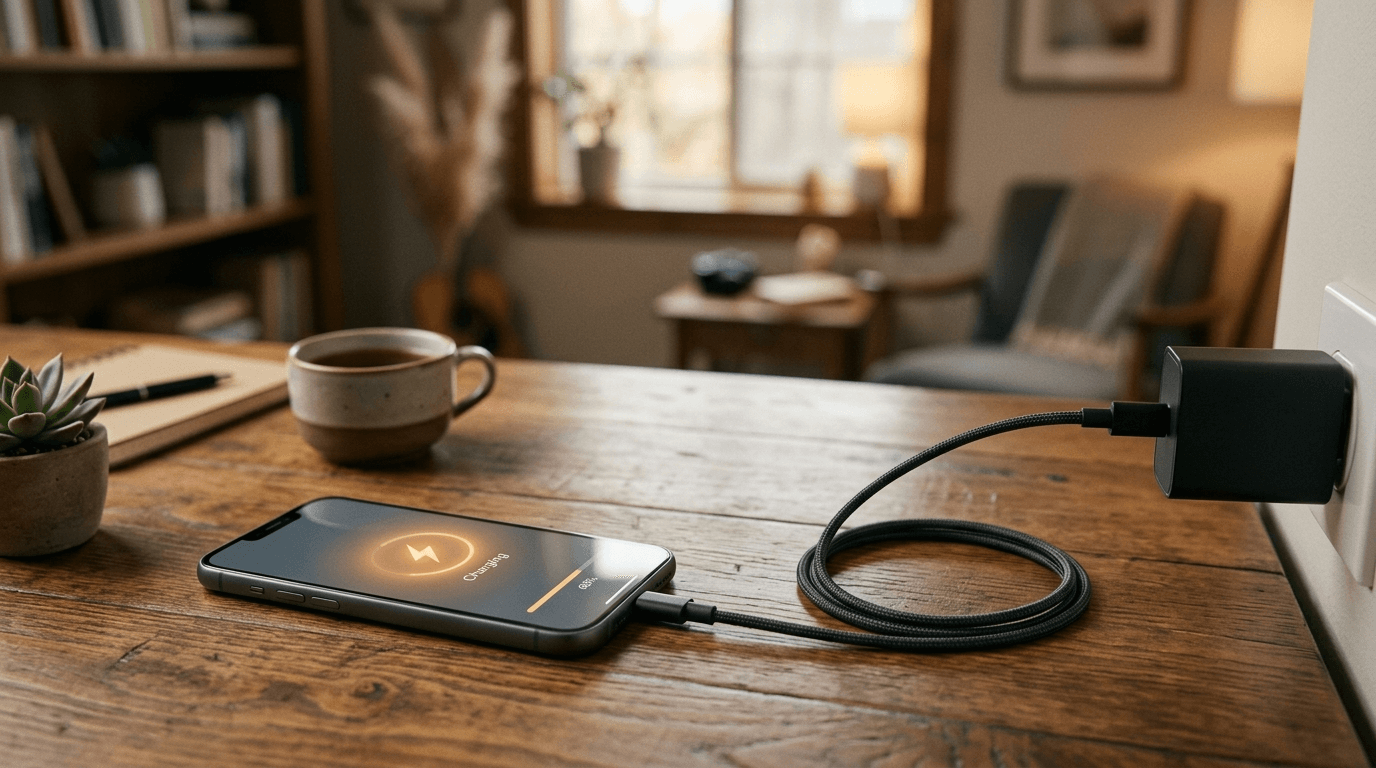
The official Apple MagSafe Charger ($39) is the only charger that delivers the full 15W MagSafe speeds on iPhone 12 and newer. Third-party "MagSafe-compatible" chargers max out at 7.5W due to Apple's certification restrictions.
A 2024 iPhone 16 Pro charges from 20% to 80% in about 75 minutes on the official MagSafe Charger, versus 110 minutes on a typical third-party 7.5W charger. For overnight charging the difference does not matter; for quick top-ups before leaving the house, it does.
Requires a 20W+ USB-C power adapter (sold separately, $19). Total cost including adapter: $58.
Best for Android: Samsung Wireless Charger Duo
Samsung's Wireless Charger Duo ($60) charges a Samsung Galaxy at the full 15W and an additional device (typically a Galaxy Watch or wireless earbuds) simultaneously. For Samsung households, it consolidates two chargers into one footprint.
Standard Qi2 chargers work fine for most Android phones. Anker, Belkin, and Mophie all make quality Qi2 chargers at $25-40 that work with any Qi-compatible phone.
Best multi-device: Belkin BoostCharge Pro 3-in-1
The Belkin BoostCharge Pro 3-in-1 ($150) charges iPhone (15W MagSafe), Apple Watch, and AirPods simultaneously from a single base. For iPhone households, it eliminates the cable clutter problem on a bedside table or desk.
Reasonable footprint for what it does. Build quality matches the price. The catch: $150 is steep for a charger. For users who really want to consolidate three chargers into one, the price makes sense. For users with a single device, save the money.
Best for travel: Anker MagGo Wireless Charging Station
The Anker MagGo Wireless Charging Station ($80) folds flat for travel and unfolds into a stand that holds your iPhone in portrait or landscape orientation while charging at 15W. It is the smartest travel charger we tested - it works as a portable nightstand, a video-watching stand, and a charger.
Wireless vs. wired charging
Wired charging is faster. A USB-C cable on iPhone 16 Pro charges at 27W; MagSafe wireless tops out at 15W. For overnight charging, the speed difference is irrelevant. For quick mid-day top-ups, wired wins.
Wireless is more convenient. Drop the phone on the pad, no cable insertion needed. For desk and bedside use, this convenience adds up over time.
Wireless generates more heat, which can accelerate battery degradation over years of daily use. The effect is small but real. For users who keep phones five-plus years, occasional wired charging is gentler on the battery.
What to avoid
Cheap unbranded Qi chargers under $15. Many output less than the advertised wattage, run hot, and lack overcharge protection.
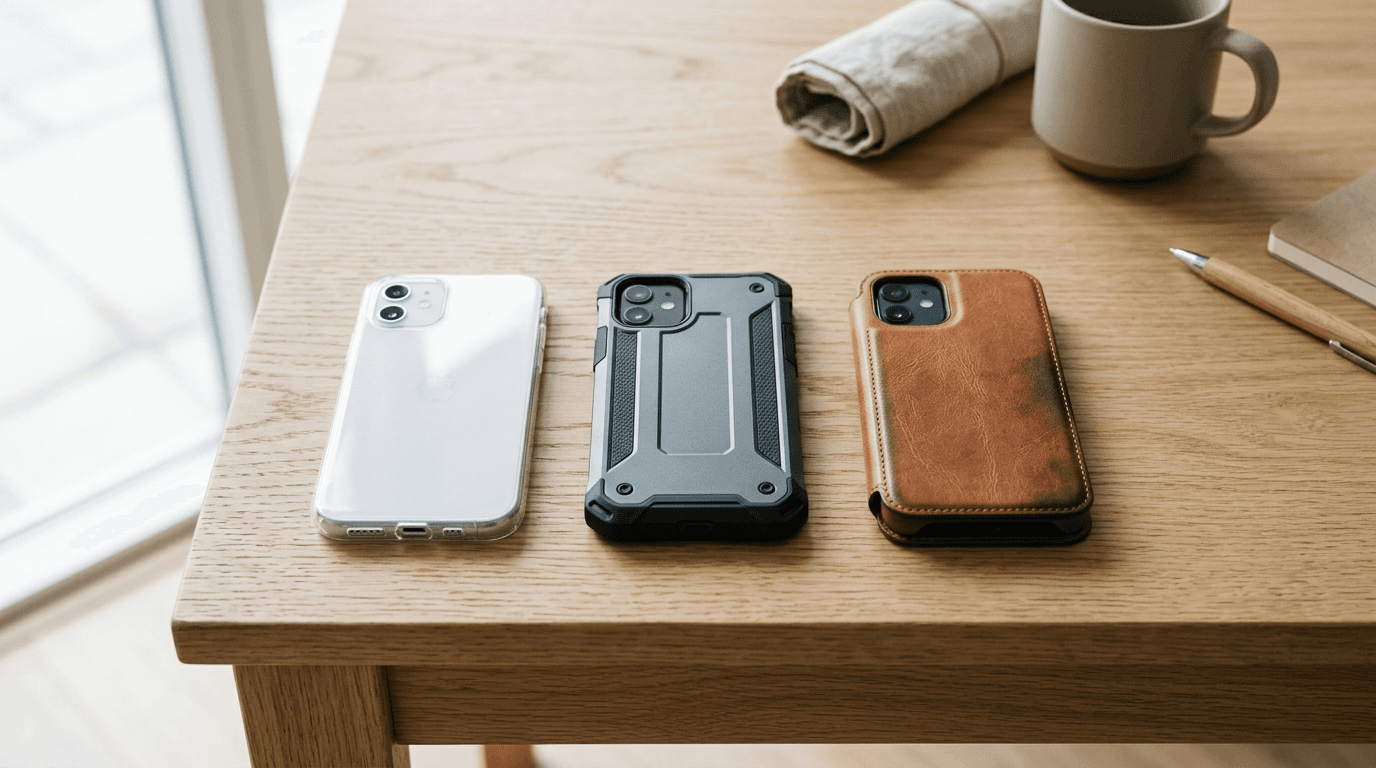
Wireless chargers that require the case to be removed. Most cases under 3mm thick work fine with wireless charging. Cases with metal plates (some wallet cases) interfere.
Wireless charging mouse pads or desk-integrated solutions that promise to charge your phone while you use it. They are slow and inefficient and your phone is in the wrong position for actual phone use.
Frequently Asked Questions
Senior Staff Writer
Alex has covered telecom, smartphones, and business communications for eight years. Before DeltaThree, he tested gear for a carrier trade publication and ran the wireless desk at a consumer tech site. He pays his own phone bill.