eSIM vs physical SIM: which should you use?

Airalo eSIM (international)
From $5/destination
Apple iPhone 16 (eSIM)
From $799
Google Pixel 9 (eSIM + physical)
From $799
Every iPhone sold in the US since the iPhone 14 has been eSIM-only - no physical SIM slot at all. Most Android flagships sell both physical SIM and eSIM versions. The transition is well underway and affects how you buy plans and travel.
What eSIM actually is
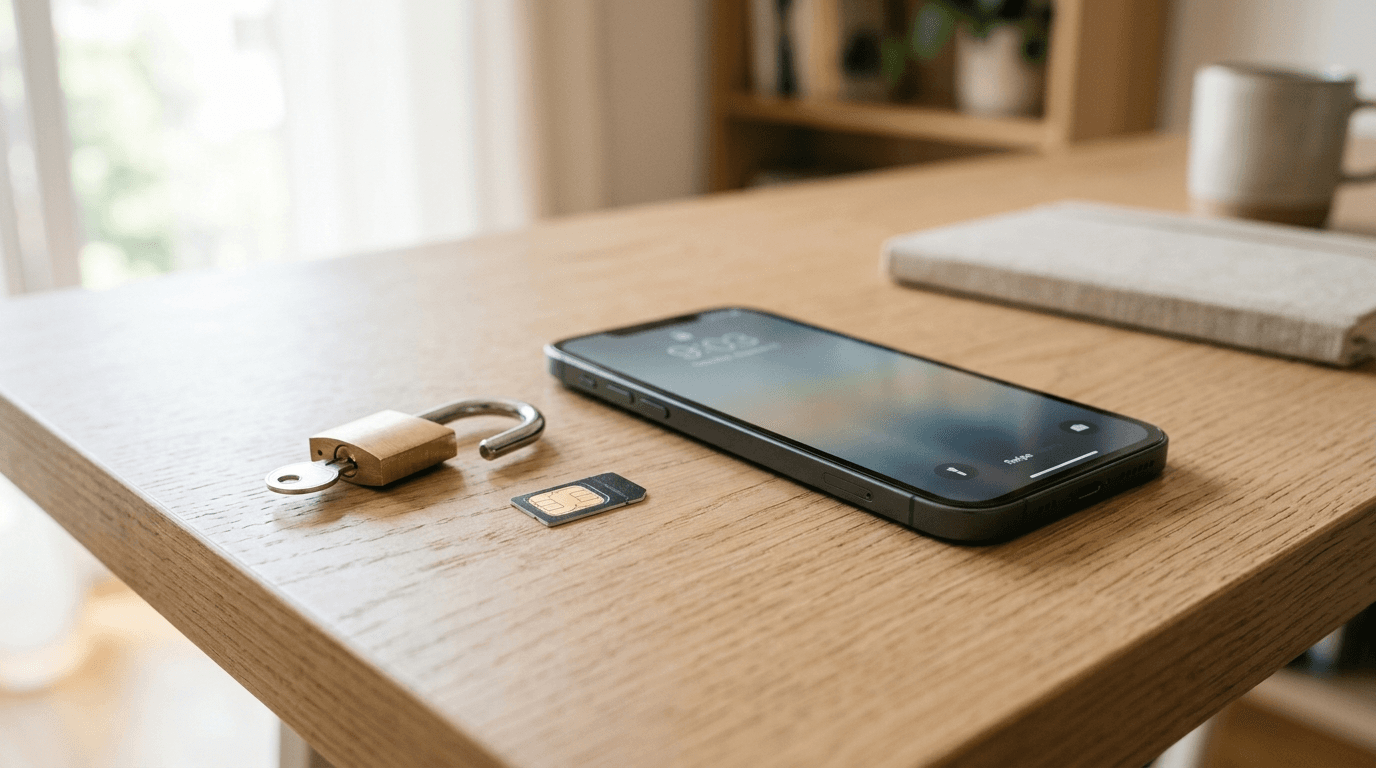
An eSIM is a small programmable chip built into your phone's motherboard. Carriers send a QR code or activation file that programs the chip with your account credentials. The phone treats the activated eSIM exactly like a physical SIM - same calling, texting, data.
Multiple eSIM profiles can be stored on most modern phones. Switch between them in settings. iPhone 14 and newer support up to 8 eSIM profiles with 2 active simultaneously.
Why eSIM is better for most users
Activation is instant. New carrier activation that used to require a SIM mailed to you takes 5 minutes online.
Nothing to lose. Physical SIMs can be lost, damaged, or stolen. eSIMs cannot.
Easier to manage multiple lines. Personal + work numbers, dual SIM in international travel, dedicated burner numbers - all easier on eSIM.
Better for theft prevention. A stolen phone with eSIM cannot be reactivated on another phone by swapping the SIM. Physical SIMs can be moved to any phone immediately.
When physical SIM still makes sense
Frequent international travel. Many countries still sell physical SIMs at airports for tourists. Switching to local data is faster with a physical SIM (insert and go) than with eSIM activation (download QR, scan, activate).
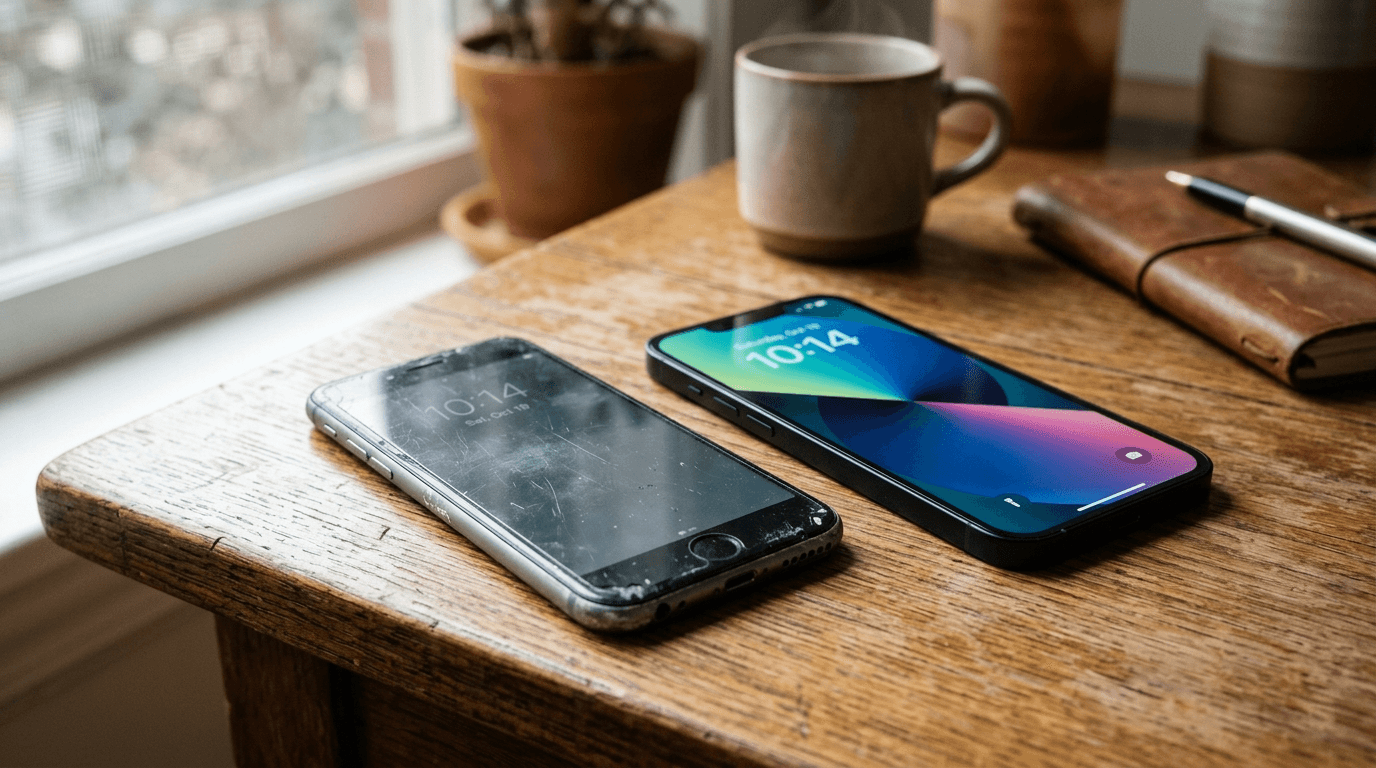
Older phones. Phones from before 2020 typically lack eSIM support. If you keep your phone long-term, physical SIM is your only option.
Carriers that don't support eSIM. Some smaller MVNOs in international markets are physical SIM only.
Switching from physical to eSIM
Contact your current carrier and request an eSIM activation. Most carriers offer this online or through their app. The process takes 5-15 minutes. Your number transfers automatically; your old physical SIM is deactivated when the eSIM activates.
eSIM for international travel
Services like Airalo, Holafly, and Nomad sell eSIM data plans for over 200 countries. Purchase online before your trip, install in minutes, activate when you land. Significantly cheaper than carrier international roaming for trips longer than a few days.
Frequently Asked Questions
Senior Staff Writer
Alex has covered telecom, smartphones, and business communications for eight years. Before DeltaThree, he tested gear for a carrier trade publication and ran the wireless desk at a consumer tech site. He pays his own phone bill.