Is it worth buying a refurbished phone?

Refurbished phones can cut $200 to $400 off a flagship, but the category is murkier than it looks. Factory-certified phones from Apple or Samsung are close to new. A listing that just says "refurbished" from a seller with 40 reviews is a different thing entirely. The word does almost no work on its own - who refurbished it, what they'll stand behind, and what grade the phone carries are the real questions.
What "refurbished" actually means
Sellers use the term to mean at least three different things, and they rarely explain which.
Manufacturer-certified: Apple Certified Refurbished, Samsung Certified Pre-Owned, and similar programs. The manufacturer - or an authorized partner - inspected the device, replaced failing parts, and ran it through the same tests used on new phones. These come with a warranty and are the closest option to buying new without paying new prices.
Seller-refurbished: a third-party refurbisher - Back Market, Amazon Renewed, or a smaller shop - inspects and grades the phone, sometimes repairs it. Standards vary considerably. Look for a specific battery health percentage and a stated cosmetic grade before trusting the listing.
Used with a different label: no inspection, no grade, no warranty. Just a second-hand phone.
Most reputable listings also include a cosmetic condition grade.
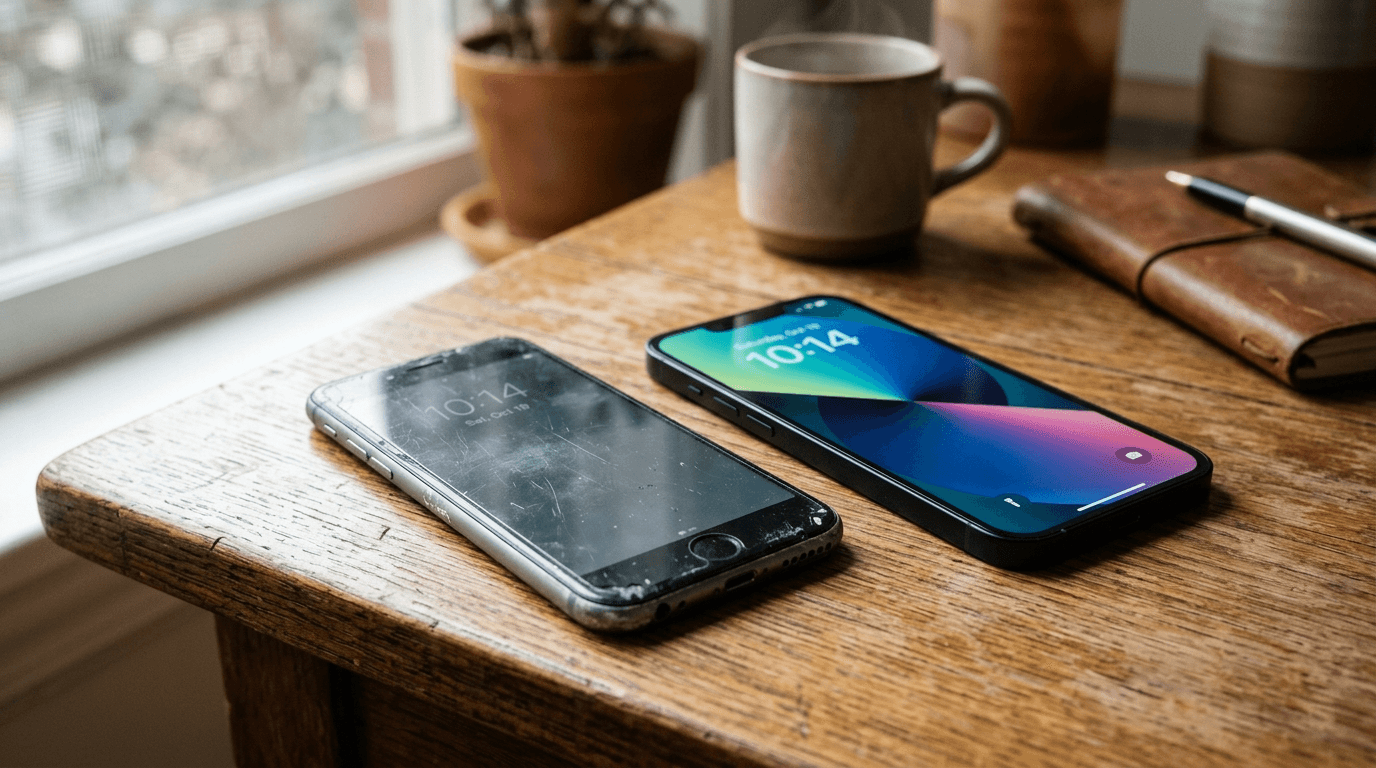
- Grade A (sometimes "Excellent" or "Like New"): Near-perfect. No scratches visible without a magnifying glass; faint micro-scratches may appear under direct light.
- Grade B ("Good"): Minor visible scratches on the screen or body. No cracks. Works as expected.
- Grade C ("Fair"): Noticeable wear, scuffs, or scratches. Should pass a full functional test, but it shows its age.
Cosmetic grade and functional reliability are separate questions. A Grade B phone can work perfectly. A Grade A phone from an unverified seller may have skipped hardware testing entirely. When a listing is vague about what was actually tested, that is a reason to look elsewhere.
When a refurbished phone is worth it
A refurbished phone makes sense when a few conditions are true at once: the model is 1 to 2 years old and still getting software updates, the listing comes with a real warranty (90 days minimum, a year is better), battery health is stated at 80% or above, and the phone is carrier-unlocked. Certification by the manufacturer or a reputable platform matters too - "inspected by the seller" without any specifics is not the same as an Apple or Samsung program with defined standards. Check the manufacturer's support page to confirm the model still receives security updates before buying.
The sweet spot is usually last year's flagship. A one-year-old iPhone or Galaxy S in Grade A condition often runs 20 to 35% less than the current model, with no real wear.
When to skip it
If the discount is $30 to $50 over a new phone during a normal carrier sale, the math doesn't work - you're trading warranty certainty for almost nothing. The same logic applies if there's no warranty, if the seller won't state a battery percentage, or if the listing has no return window. No grade, no return policy, no warranty is a pass.
Phones more than 3 years old are a trickier buy regardless of condition - they may already be at or near the end of their software update window, which is a security problem no cosmetic grade can fix. And refurbished budget phones often don't save you enough over new to justify giving up a full warranty.
What to check before you buy
Check each of these before you commit.
- Warranty: at least 90 days, preferably a full year.
- Return window: 30 days minimum. Find out whether return shipping is covered or buyer-paid.
- Battery health percentage: look for 80% or higher. Many certified programs guarantee 85% or above. The listing should give you a specific number, not just "good condition."
- IMEI: run it through IMEI.info or your carrier's website before buying. A blacklisted IMEI means the phone was reported stolen or has an unpaid carrier balance - it may work briefly, then get cut off from service.
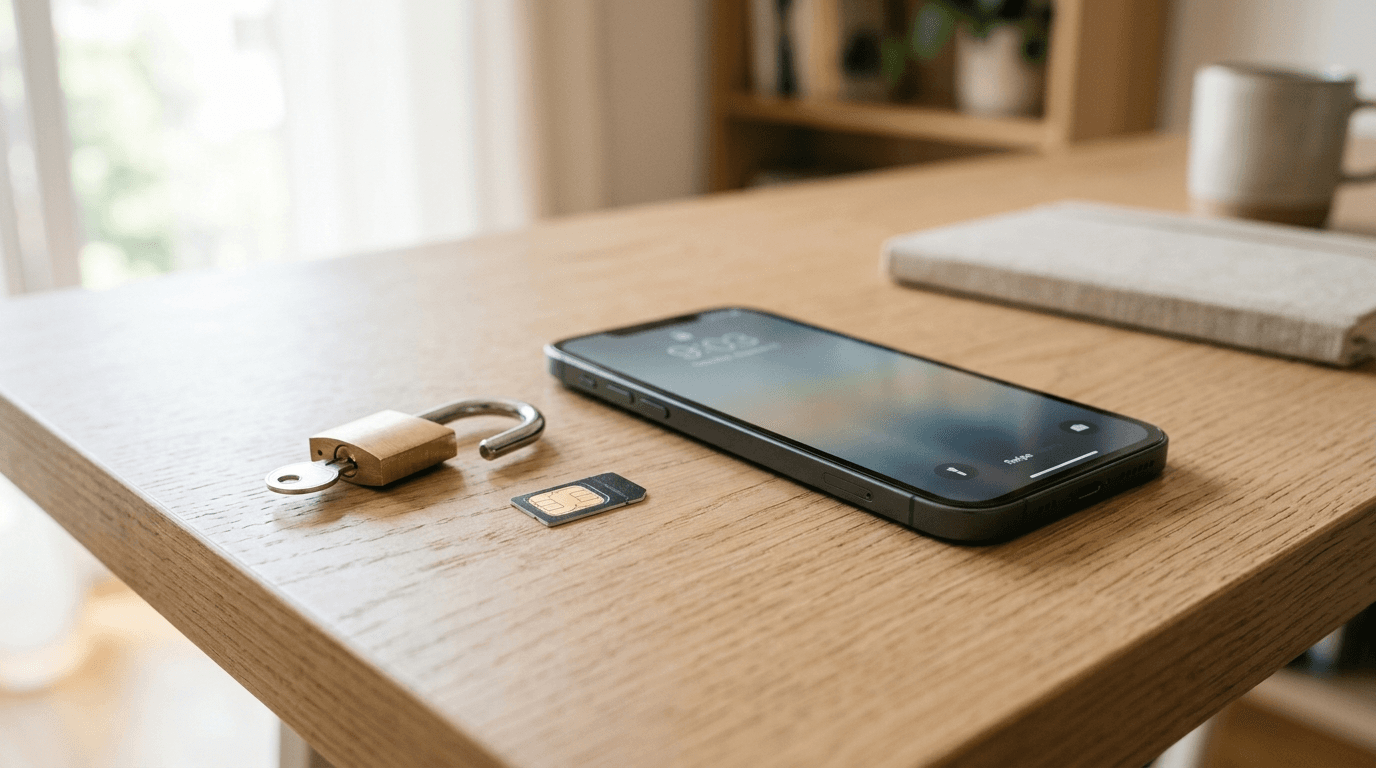
- Unlocked status: confirm the phone is fully unlocked and compatible with your carrier's bands, especially for 5G.
- Cosmetic grade and photos: grade descriptions vary by platform. "Good" on one site can mean light surface marks; on another it might include a cracked bezel. If there are photos of the actual unit, use them.
Where to buy refurbished safely
The source matters as much as the grade. A Grade A phone from an unvetted seller is riskier than a Grade B phone from Apple's certified program. The most reliable options are listed below.
Manufacturer direct
- Apple Certified Refurbished (apple.com/shop/refurbished): Inspected and sold by Apple. Comes with a 1-year warranty, and replacement parts are Apple genuine or Apple original.
- Samsung Certified Pre-Owned (samsung.com): Similar standards and warranty terms, available on Samsung's site and through select retail partners.
- Google Refurbished Store: Refurbished Pixel phones sold directly by Google, with a warranty included.
Carrier programs
Verizon, AT&T, and T-Mobile each sell certified pre-owned phones through their own programs, often paired with trade-in credits. Convenient if you're already on that carrier, but confirm the phone is unlocked first if you want flexibility later.
Reputable third-party marketplaces
- Back Market: A refurbished-only marketplace where devices are inspected and graded, and sellers are rated. Most listings carry a 1-year warranty backed by Back Market.
- Amazon Renewed: Amazon's certification requires battery health above 80% and a 90-day Amazon Renewed Guarantee. The "Renewed Premium" tier applies tighter standards.
- Swappa: Peer-to-peer marketplace that verifies each IMEI, requires sellers to post photos, and bans blacklisted or broken phones.
Avoid unverified listings on Facebook Marketplace, Craigslist, or eBay from sellers with no feedback history. No grade, no return policy, no warranty: that's a pass.
Refurbished vs used vs new
A quick look at what you're actually getting at each price level.
| Option | Typical savings vs new | Warranty |
|---|---|---|
| New | None | Full manufacturer warranty (1-2 years) |
| Manufacturer-certified refurbished | 15-35% | 1 year (varies by program) |
| Seller-refurbished | 20-40% | 90 days to 1 year (varies) |
| Used - no inspection | 30-50% or more | None |
Actual savings depend on the model, age, and where you buy. The table shows typical ranges. A year-old flagship from a manufacturer program might land at the low end of that savings range; a 2-year-old phone from a third-party seller might hit the high end.
Frequently Asked Questions
Senior Staff Writer
Alex has covered telecom, smartphones, and business communications for eight years. Before DeltaThree, he tested gear for a carrier trade publication and ran the wireless desk at a consumer tech site. He pays his own phone bill.